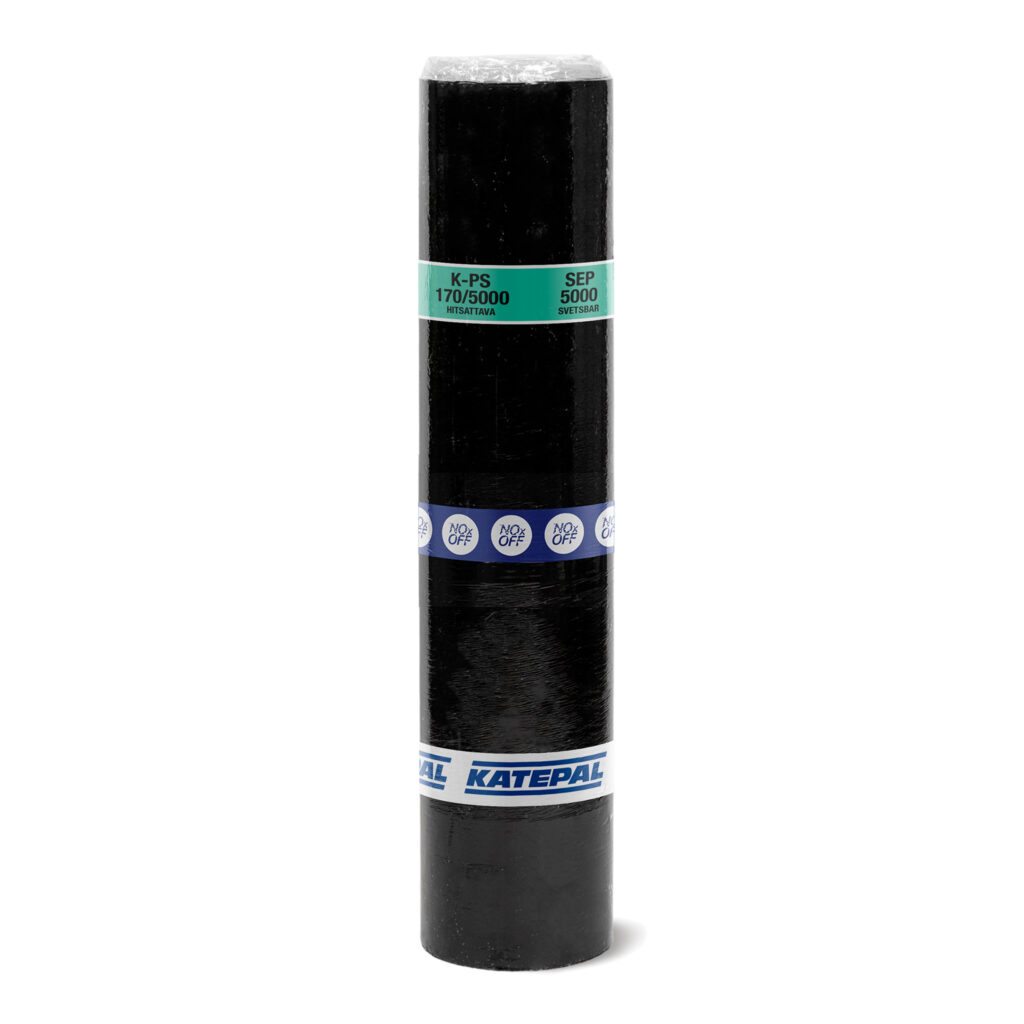
Katepal NOxOFF
Katepal NOxOFF – an innovation that neutralises nitrogen oxides in the air
Katepal has introduced NOxOFF roofing products that help remove harmful nitrogen oxides from the air efficiently and invisibly.
Urban air contains pollutants originating particularly from traffic and industry, including nitrogen oxides (NOx), which are harmful to human health. Thanks to the NOxOFF coating, a photocatalytic reaction takes place, converting nitrogen oxides into harmless nitrates. These nitrates are removed from the air and washed off the roof by rainwater. In this way, NOxOFF roofs help improve air quality at the heights where we live and breathe.
The photocatalytic activity of NOxOFF products has been verified in accordance with the international ISO 22197-1 standard. Laboratory tests have demonstrated that NOxOFF is several times more effective than our previous LESSNOX coating. Under outdoor conditions, the rate of nitrogen oxide removal varies considerably depending on factors such as NOx concentration, light intensity, airflow, active surface area and humidity.*
*The effectiveness of the coating depends on environmental conditions, including the concentration of NOx compounds in the air and the intensity of solar UV radiation. A combination of field measurements and laboratory studies conducted in Roskilde, Denmark, demonstrated that the NOxOFF coating removed 13.8 g of NOx/m² per year from the lower atmosphere (Jensen, H. and Pedersen, P.D. (2021). Real-Life Field Studies of the NOx Removing Properties of Photocatalytic Surfaces in Roskilde and Copenhagen Airport. Journal of Photocatalysis, 2, 71–81).
NOxOFF roofing membranes help nature remove air pollutants
NOxOFF roofing membranes have the same basic properties as conventional SBS-modified bitumen roofing membranes, but feature an innovative photocatalytic coating developed by Photocat A/S.
The NOxOFF coating works through titanium dioxide (TiO₂) photocatalysis. When exposed to UV light, hydroxyl radicals are generated on the coating’s surface, oxidising nitrogen oxides in the surrounding air. This reaction produces nitrates, which are washed off the roof by rainwater.
The reaction takes place on and near the coated surface. Its effectiveness depends on several factors, including light intensity, humidity, airflow, nitrogen oxide concentration and the size of the active surface area.
UV radiation from sunlight activates a chemical reaction that breaks down nitrogen oxides
The photocatalytic coating is sprayed onto the surface granules of the roofing membrane during production. NOxOFF products retain the durability, long service life and ease of installation associated with Katepal roofing materials.
During the photocatalytic reaction, nitrogen oxides are converted into nitrates, which dissolve in rainwater and are washed off the roof through the drainage system. Nitrates are naturally occurring compounds that can also serve as nutrients for plants and microorganisms.
By using NOxOFF roofing membranes, the total surface area available for reducing harmful nitrogen oxides in the air can be increased. Vegetation already plays an important role in improving air quality, and now roofs can contribute to this process as well.
An invisible threat in the air we breathe
Unlike the visible smog found in some major cities, air pollution is often invisible. Nitrogen oxides are present in urban environments around the world, primarily originating from traffic, industrial activities and combustion processes.
Air pollutants can be transported by air currents and affect both human health and the environment. Although exposure to air pollution is not the sole cause of disease, research has established a clear connection between air pollution and an increased risk of health problems.
Nitrogen oxides (NOx) are among the most significant gaseous air pollutants. They can cause respiratory symptoms and are particularly harmful to children, older people and those with existing respiratory or cardiovascular conditions.
A 2018 study by Jena University Hospital in Germany found that even short-term increases in nitrogen oxide concentrations were associated with an increased number of heart attacks in the study area.
NOxOFF – a colourless and highly efficient air-purifying coating
Katepal’s NOxOFF coating is sprayed directly onto the surface granules of the roofing membrane during production. This application method allows a greater amount of the active coating material to be applied, resulting in significantly improved air-purifying performance.**
Test reports demonstrate that NOxOFF can be up to ten times more effective than our previous air-purifying product, LESSNOX.**
The titanium dioxide coating used in our earlier product was light in colour, limiting its application mainly to light-coloured roofing membranes.
The new NOxOFF coating only slightly darkens the original colour of the surface granules. Thanks to its virtually colourless appearance, NOxOFF can also be used on black and other dark-coloured roofing membranes, as well as lighter roofing colours.
**The performance of the current NOxOFF product and the previously available LESSNOX-coated product has been compared using the ISO 22197-1 test method.
Certified air-purifying performance
Katepal NOxOFF roofing membranes have been developed in cooperation with the Danish company Photocat A/S.
Photocat has granted Katepal the exclusive right to manufacture bitumen roofing membranes incorporating its innovative NOxOFF treatment in Finland. Under this agreement, Photocat cannot supply the NOxOFF treatment to other manufacturers of bitumen roofing membranes in Finland. Katepal is entitled to sell its NOxOFF-treated products in all its export markets.
Katepal NOxOFF products have been tested and certified in accordance with the international ISO 22197-1 standard.
Based on the test results, a 1,000 m² roof covered with Katepal NOxOFF bitumen roofing membrane can achieve an air-purifying effect comparable to that of a 10 × 10 metre lawn or approximately 120 trees.
By choosing NOxOFF roofing materials, you can help improve air quality in the surrounding environment.
Material choices make a difference
At Katepal, we have been developing our roofing materials with environmental considerations in mind for many years.
Our NXT product range incorporates renewable and recycled raw materials, such as tall oil and recycled plastic made from PET bottles, to replace part of the fossil-based raw materials traditionally used in bitumen roofing membranes. This helps reduce the carbon footprint of the products.***
The NOxOFF coating can also be applied to Katepal NXT products, combining a lower carbon footprint than the reference product with the ability to remove nitrogen oxides from the surrounding air.
Our aim is to enable more roofs to contribute to improved air quality in the future. By choosing NOxOFF roofing materials, you can help reduce nitrogen oxide concentrations in the immediate surroundings of a building.
Building material choices have an impact for decades. NOxOFF offers an opportunity to make a long-term choice that contributes to a cleaner living environment.
Together with other Katepal solutions, such as the NXT product range, NOxOFF supports the development of a lower-carbon built environment while addressing the environmental challenges associated with construction.
***The reduction in a product’s carbon footprint varies depending on the proportion of raw materials that can be replaced with renewable or recycled alternatives. The comparison is based on the Finnish Environment Institute’s CO2data reference values for bitumen roofing membranes (accessed in 2026). Product-specific environmental data is based on third-party verified Environmental Product Declarations (EPDs) prepared in accordance with EN 15804+A2.