Katepal NXT
The main raw material in our products is bitumen. It offers outstanding waterproofing performance, but it is a fossil-based hydrocarbon. As the construction industry works towards reducing its environmental impact and dependence on fossil-based raw materials, we at Katepal are taking steps to replace some of our raw materials with renewable and recycled alternatives.
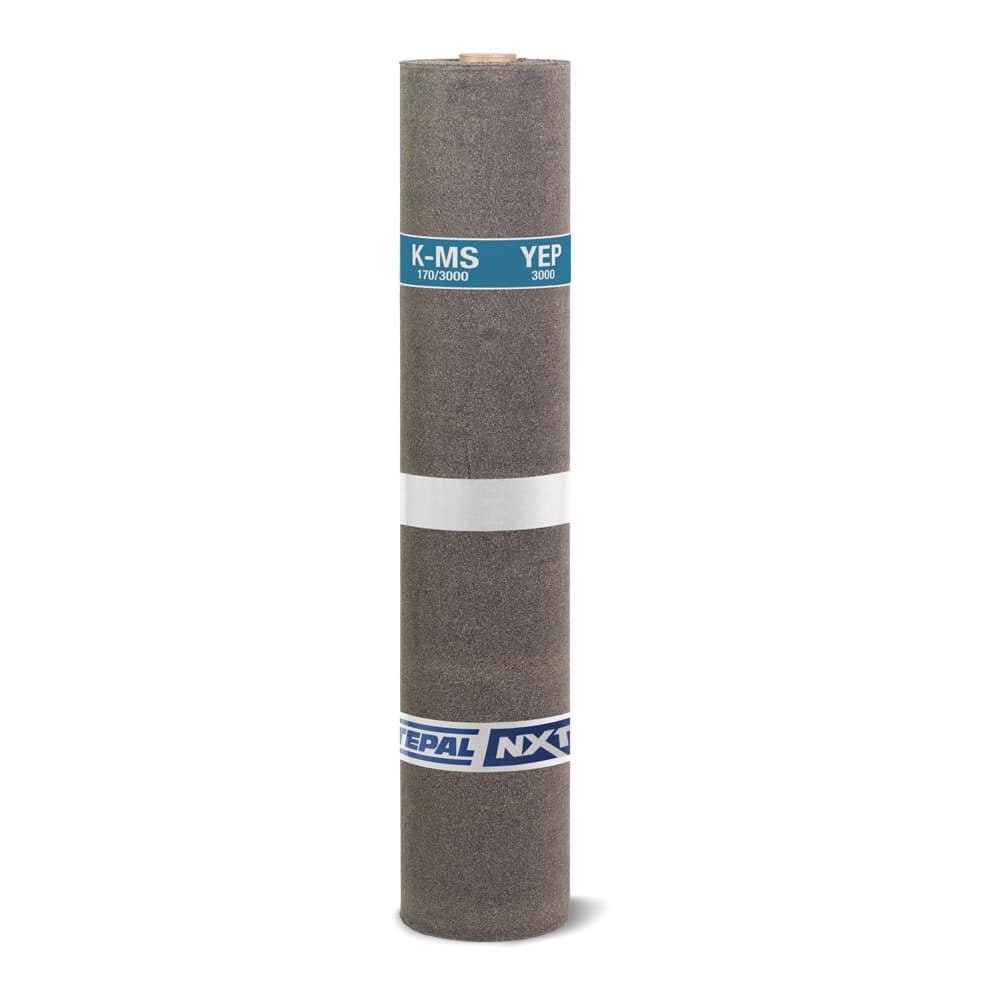
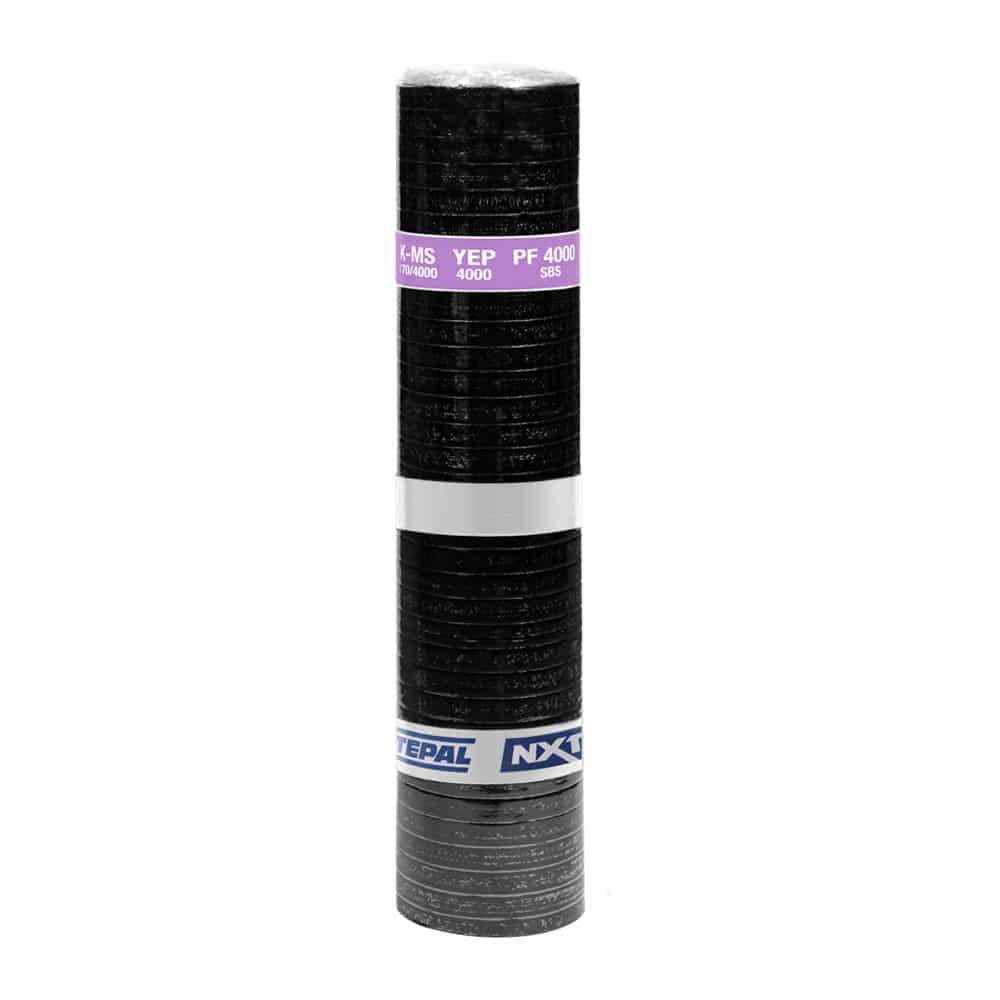
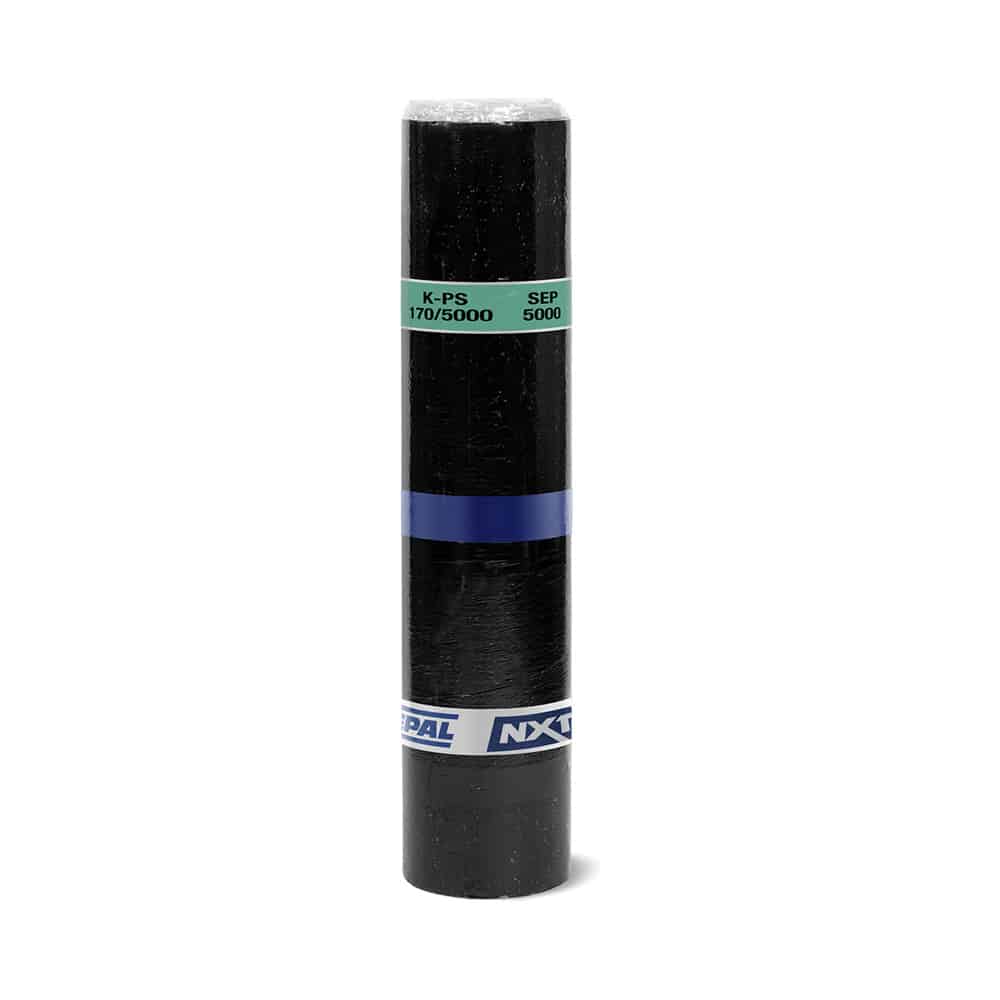
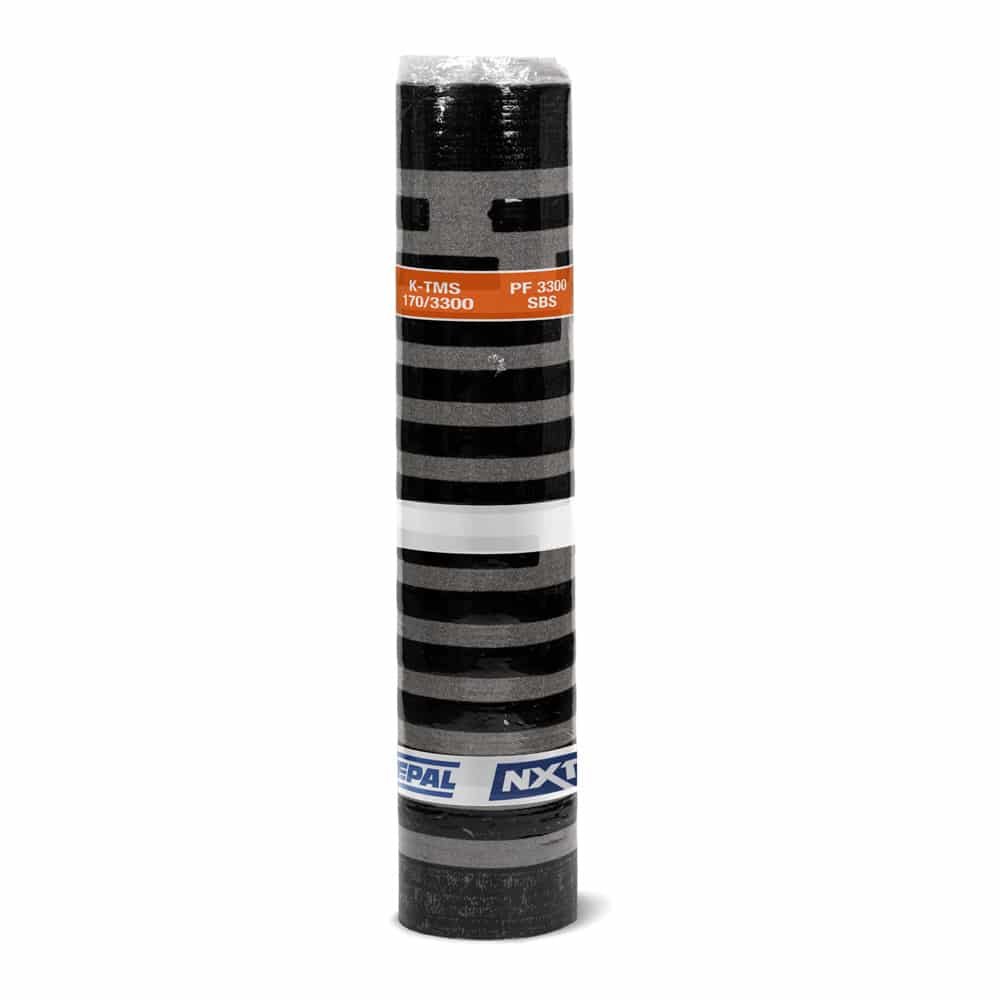
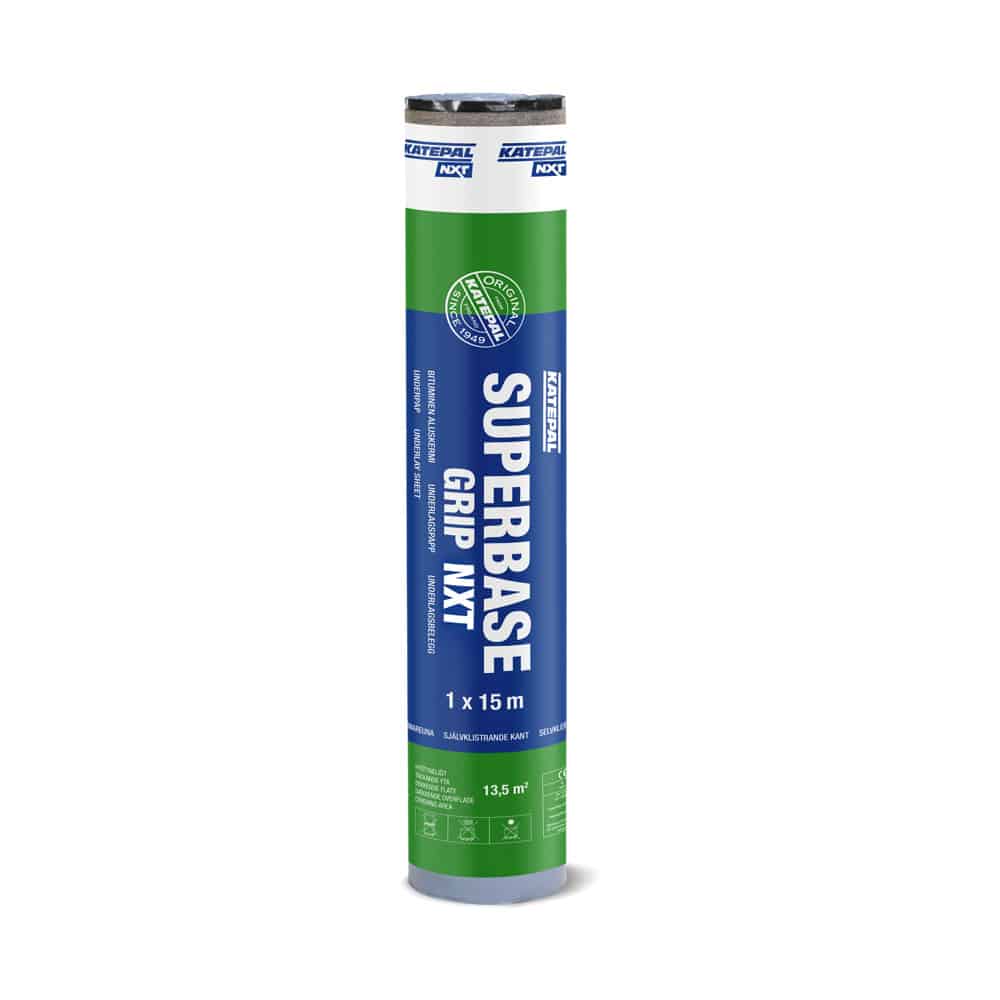
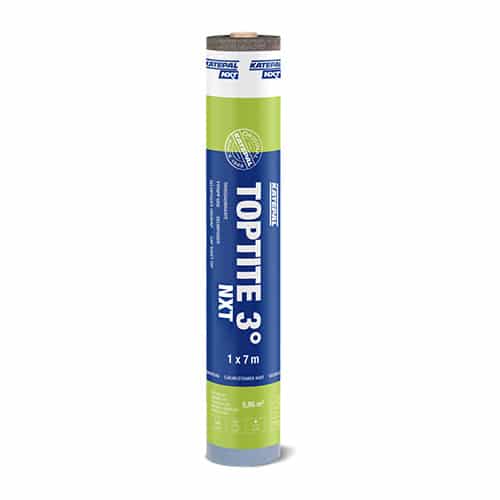
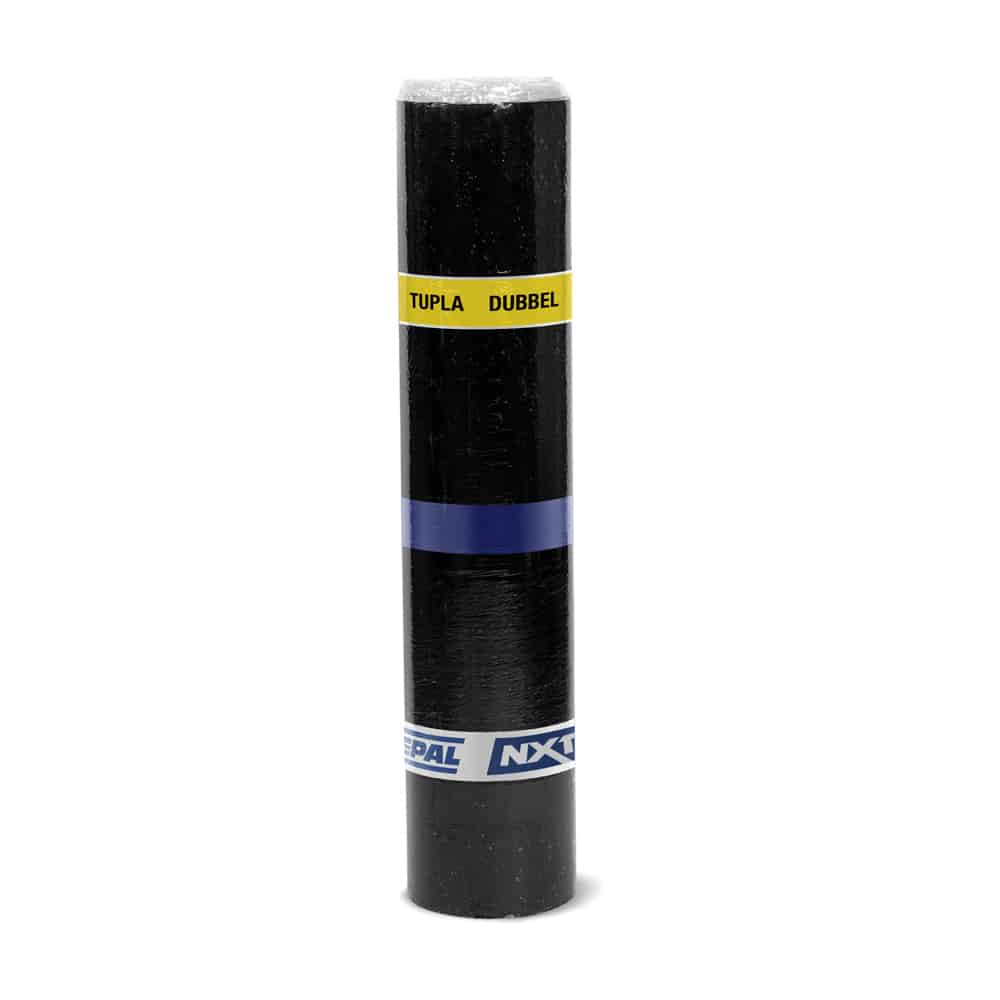
Even small changes towards renewable and recycled raw materials can help reduce a product’s carbon footprint. By incorporating renewable tall oil and recycled PET plastic into our products, we have developed roofing materials with a lower carbon footprint. These products can be identified by the Katepal NXT name. Detailed environmental impact indicators are available in our product-specific Environmental Product Declarations (EPDs).
The changing climate places increasing demands on construction materials
The environmental impact of the construction industry, including the emissions and service life of building materials, is receiving increasing attention worldwide.
Across Europe and beyond, regulations and environmental requirements are evolving to encourage lower-carbon construction and greater transparency regarding the environmental impacts of building materials. Life cycle assessments and Environmental Product Declarations (EPDs) are becoming increasingly important tools for evaluating and comparing construction products.
At the same time, climate change is directly affecting the construction industry. More extreme weather conditions, including increasingly intense storms and heavy rainfall, place greater demands on the waterproofing performance and durability of roofing materials.
What is low-carbon construction?
Low-carbon construction aims to minimise the carbon footprint of a building throughout its entire life cycle, from the production of building materials to construction, use and eventual demolition or recycling.
This can be achieved through energy efficiency, the use of renewable and recycled materials, improved recyclability and reusability, and the selection of durable building materials with a low carbon footprint.
The transition towards low-carbon construction is also driving the development of new materials and solutions that reduce greenhouse gas emissions without compromising technical performance or durability.
At Katepal, we are committed to supporting low-carbon construction
We have been assessing the environmental impacts of our bitumen roofing membranes since 2021. Life cycle assessments have been carried out and product-specific Environmental Product Declarations (EPDs) published for our main products, representing over 70% of our total sales.
We continuously develop our life cycle assessment practices, recognising the growing importance of environmental performance and sustainability in the construction industry.
Through long-term product development, we have introduced roofing materials that support the goals of low-carbon construction while maintaining the high performance required in demanding Nordic weather conditions.
Katepal NXT products support low-carbon construction
By choosing Katepal NXT products, you can reduce the carbon footprint of a building compared with using conventional bitumen roofing membranes.
The carbon footprint of Katepal NXT products is 7–77% lower than that of average bitumen roofing membranes made from fossil-based raw materials*
We continuously develop our NXT product range and increase the proportion of renewable and recycled raw materials whenever possible, without compromising the technical properties of our products.
Bitumen roofing offers an excellent combination of durability, outstanding waterproofing performance and reliable technical properties. Compared with tile and metal roofing, bitumen roofing is lightweight, quiet even during heavy rainfall, and provides reliable protection in all weather conditions.
Katepal NXT products offer the same technical performance as conventional bitumen roofing membranes.
Using renewable and recycled materials reduces the need for fossil-based raw materials
Product-specific carbon footprint calculations are available in our third-party verified Environmental Product Declarations (EPDs). These provide transparent, standardised environmental data to support building life cycle assessments and environmental reporting in different markets.
Our carbon footprint calculations also consider the potential for recycling bitumen roofing membranes. Although bitumen is a non-renewable raw material, it can be recovered and used, for example, as a raw material in asphalt production after a building has been demolished or the roofing material has reached the end of its service life.
The reduction in a product’s carbon footprint varies depending on the proportion of raw materials that can be replaced with renewable or recycled alternatives. The comparison is based on the Finnish Environment Institute’s CO2data reference values for bitumen roofing membranes (accessed in 2026). Product-specific environmental data is based on third-party verified Environmental Product Declarations (EPDs) prepared in accordance with EN 15804+A2.